

The hit single “Schism” garnered the band a Grammy Award
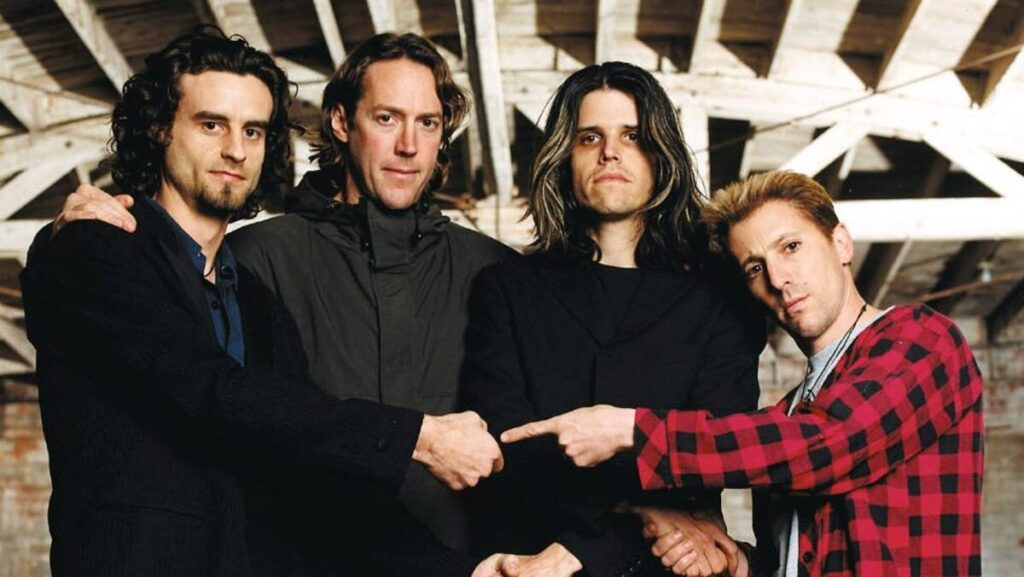
Twenty-five years after its release, Lateralus remains the defining artistic statement of Tool and one of the most influential progressive metal albums ever recorded. Released on May 15, 2001, the band’s third studio album arrived at a moment when heavy music was dominated by nu metal and radio-friendly hard rock, yet Tool delivered something far stranger, more cerebral, and more ambitious. Rather than simplifying their sound for mainstream audiences, the band — vocalist Maynard James Keenan, guitarist Adam Jones, bassist Justin Chancellor, and drummer Danny Carey — expanded it into a sprawling fusion of progressive rock, art metal, psychedelia, spiritual philosophy, and complex rhythmic experimentation. The result was an album that not only debuted at No. 1 on the Billboard 200, but also fundamentally changed the possibilities of mainstream heavy music.
The road to Lateralus was lengthy and turbulent. Following the success of 1996’s Ænima, Tool spent years battling legal issues involving their label and publishing contracts, while also coping with increasing pressure after becoming one of alternative metal’s most respected acts. During the hiatus, the members explored side projects and spent countless hours developing new material in rehearsal spaces rather than rushing into the studio. The band ultimately recorded the album between late 2000 and early 2001 at Cello Studios in Hollywood and several North Hollywood locations including The Hook and Big Empty Space. Longtime collaborator David Bottrill returned to produce alongside the band, helping refine the album’s layered soundscapes and intricate arrangements.
The writing process behind Lateralus became legendary among musicians and fans because of how obsessively detailed it was. Tool approached the album less like a conventional rock record and more like a carefully constructed artistic experience. Danny Carey’s polyrhythmic drumming and fascination with sacred geometry heavily influenced the music’s structure, while Adam Jones layered dense guitar textures inspired as much by progressive rock and film soundtracks as heavy metal. Justin Chancellor’s melodic bass work became central to the compositions, giving songs like “Schism” and “Disposition” an almost hypnotic pulse. Meanwhile, Maynard James Keenan explored themes of spiritual growth, human consciousness, emotional transcendence, and personal evolution. The title track famously incorporated the Fibonacci sequence into both its lyrical syllable patterns and rhythmic structure, turning the song into one of the most analyzed compositions in modern rock history.
Visually, the album was just as groundbreaking as the music itself. Tool collaborated once again with visionary artist Alex Grey, whose psychedelic anatomical artwork became inseparable from the album’s identity. The CD packaging featured translucent layered artwork that allowed listeners to peel through different levels of the human body and consciousness, reinforcing the album’s themes of enlightenment and transformation. At a time when CD sales were still booming, Lateralus stood out as a physical art object, helping elevate the experience beyond simply listening to songs. The visual presentation strengthened Tool’s reputation as one of rock’s most artistically ambitious bands.
When Lateralus was released in May 2001, the commercial response was immediate and massive. The album debuted at No. 1 on the Billboard 200 after selling more than 555,000 copies in its first week, becoming the band’s first chart-topping album in the United States. It also charted strongly internationally, reaching the Top 10 in several territories and eventually earning multiple platinum certifications worldwide. In the years that followed, the album sold more than 2.6 million copies in the United States alone and over 3 million globally, later achieving triple-platinum certification from the RIAA.
Critics largely hailed Lateralus as a masterpiece upon release. Reviewers praised the band’s willingness to challenge listeners with lengthy songs, unconventional structures, and philosophical subject matter at a time when commercial rock was becoming increasingly formulaic. Publications highlighted the hypnotic power of tracks like “The Grudge,” “Parabol/Parabola,” and “Reflection,” while “Schism” became the album’s breakout single and earned Tool the Grammy Award for Best Metal Performance in 2002. Though some critics found the album difficult or overly self-serious, the overwhelming consensus was that Tool had created a landmark progressive metal work that elevated heavy music artistically.
Fan response was even more passionate. Over the years, Lateralus developed an almost mythological status within Tool’s fanbase. Listeners dissected the lyrics, time signatures, sequencing, and hidden patterns within the songs, generating endless theories and interpretations online. The album’s reputation only grew as younger generations of musicians and listeners discovered it through streaming services and internet communities. For many fans, Lateralus was more than an album — it became an immersive experience tied to introspection, spirituality, and artistic exploration. Even decades later, songs from the record remain central parts of Tool’s live performances and routinely receive millions of streams online.
The legacy of Lateralus is enormous. The album helped bring progressive and experimental metal back into the mainstream during the early 2000s, influencing countless bands across metal, post-rock, and progressive rock. Artists ranging from Mastodon and Deftones to Karnivool and Gojira have reflected elements of Tool’s layered songwriting and atmospheric heaviness. Critics and fans alike frequently rank Lateralus among the greatest metal and progressive rock albums ever made, and it continues to appear on “best albums of all time” lists more than two decades after its release.
In retrospect, Lateralus represented a rare moment where uncompromising artistic ambition and massive commercial success collided. Tool proved that a dense, philosophical, nearly 80-minute progressive metal album could top charts, win Grammys, and sell millions without sacrificing complexity or individuality. Twenty-five years later, its influence can still be heard throughout modern heavy music, and its themes of transformation, introspection, and spiritual awakening continue to resonate with listeners searching for something deeper than conventional rock music. For many fans and critics, Lateralus was not merely Tool’s masterpiece — it was one of the defining albums of the 21st century.
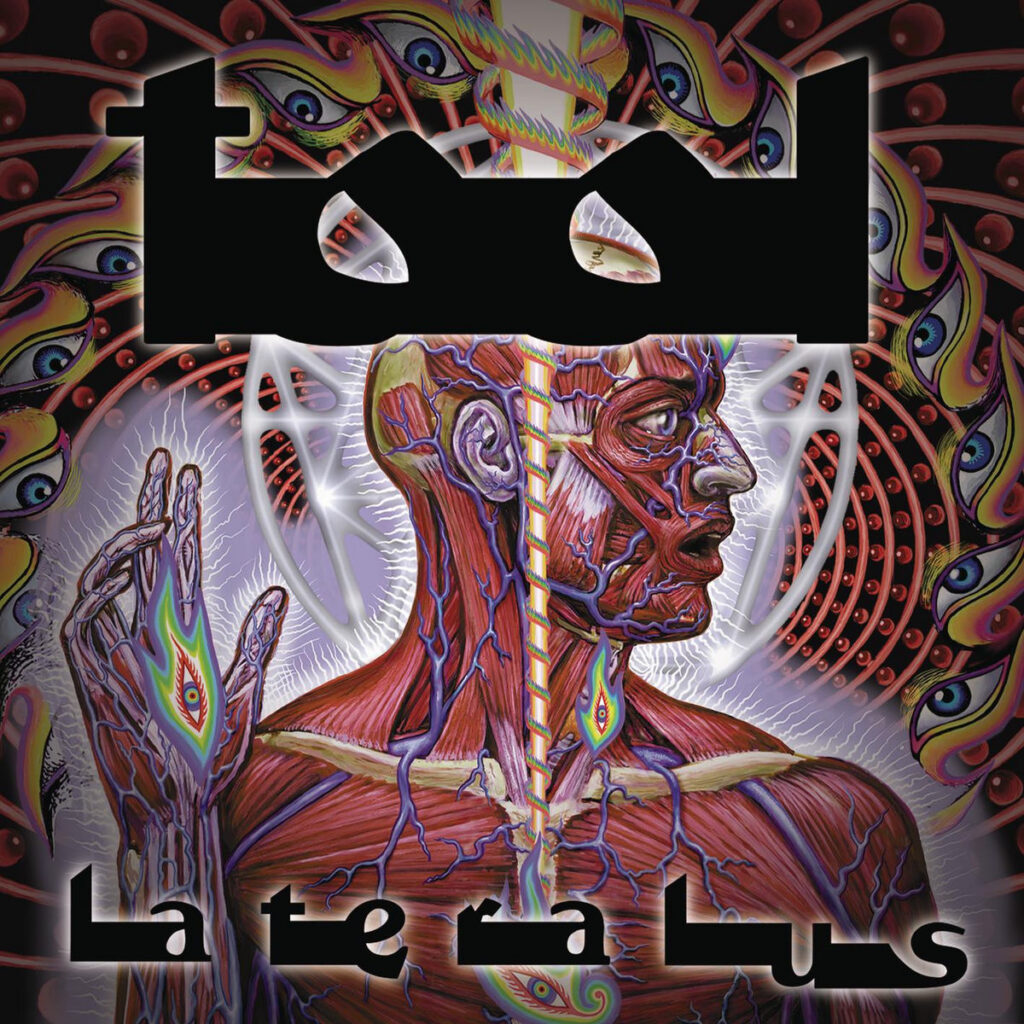
Tool – Lateralus [Volcano, 2001]
1. The Grudge
2. Eon Blue Apocalypse
3. The Patient
4. Mantra
5. Schism
6. Parabol
7. Parabola
8. Ticks & Leeches
9. Lateralus
10. Disposition
11. Reflection
12. Triad
13. Faaip de Oiad
Shop the album collection HERE