

The band was faced with the massive task of following up their biggest hit and they delivered
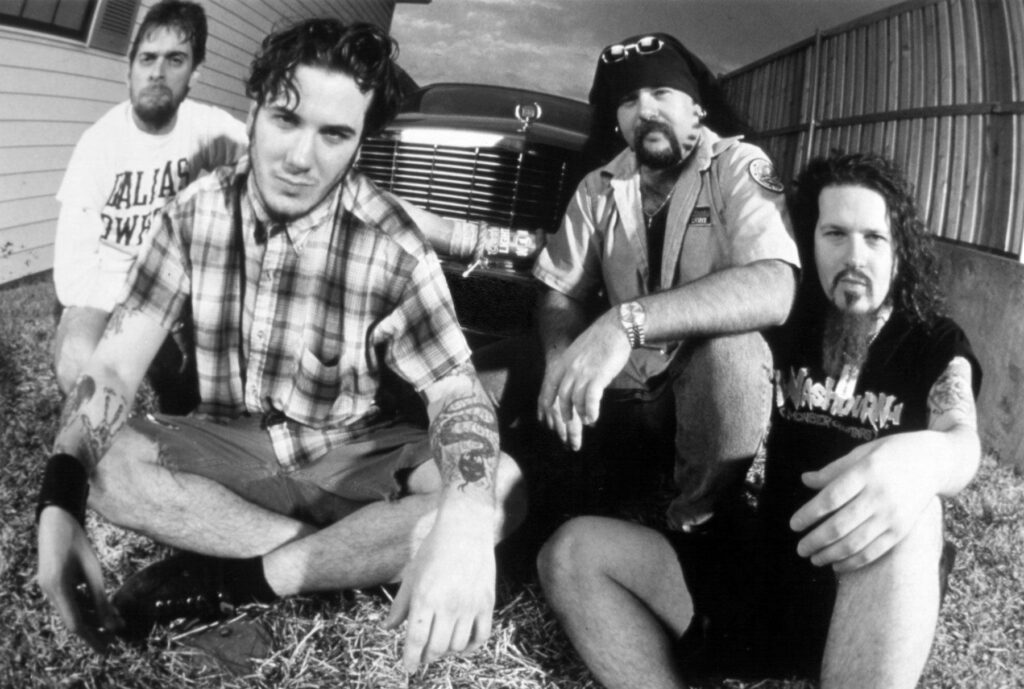
In 1994, Pantera released their most successful album, Far Beyond Driven. The record became the most extreme LP to debut at No. 1 on the Billboard 200, and along with relentless touring to support it, the band reached the pinnacle of mainstream success. Just two years later, they returned to the studio with the seemingly insurmountable task of topping it. The result was The Great Southern Trendkill, and somehow the metal titans delivered.
The record arrived at a strange and volatile moment for Pantera. The band had already conquered heavy metal with the back-to-back punch of Cowboys from Hell, Vulgar Display of Power, and especially Far Beyond Driven, which improbably debuted at No. 1 on the Billboard 200 in 1994 while remaining brutally uncompromising. That success created enormous pressure. Instead of softening their sound or chasing radio trends, Pantera reacted by making an album even darker, uglier, more chaotic, and emotionally damaged than anything they had attempted before. The Great Southern Trendkill became less a calculated follow-up than a document of a band beginning to fracture in real time.
The writing and recording process reflected the growing tension inside the group. Vocalist Phil Anselmo was increasingly isolated from drummer Vinnie Paul, bassist Rex Brown, and guitarist Dimebag Darrell. Much of that separation stemmed from Anselmo’s worsening heroin addiction and chronic back pain, which had intensified during the relentless touring cycle behind Far Beyond Driven. Rather than recording together as they had on previous albums, Anselmo tracked vocals alone at Nothing Studios in New Orleans, the studio owned by Trent Reznor, while the rest of the band recorded in Texas with producer Terry Date. The physical separation between singer and bandmates gave the record an uneasy, hostile atmosphere that bled directly into the music.
Musically, the album pushed Pantera’s groove-metal blueprint into harsher and more experimental territory. The opening title track immediately announced that this would not be a repeat of previous triumphs, exploding with shrieking vocals, blast-like drumming, and one of the most violent performances Anselmo ever committed to tape. Songs like “War Nerve,” “13 Steps to Nowhere,” and “Suicide Note Pt. II” sounded almost nihilistic, abandoning the swagger and muscular confidence of earlier Pantera albums for something more unstable and self-destructive. Yet the album was not simply nonstop aggression. Tracks such as “Suicide Note Pt. I” and “Floods” revealed a more textured and emotional side of the band, layering acoustic guitars, eerie atmosphere, and introspective songwriting into the chaos. “Floods” in particular became legendary among fans for Dimebag Darrell’s mournful extended solo, which many consider one of the greatest guitar performances of the 1990s.
Following Far Beyond Driven was an almost impossible assignment. That album had not only gone platinum but proved that an uncompromisingly heavy metal band could still dominate mainstream charts in the grunge era. Most bands in Pantera’s position might have streamlined their sound to maintain commercial momentum. Instead, Pantera doubled down on extremity. The Great Southern Trendkill rejected accessibility almost out of spite, and that decision became part of its mythology. Critics and fans at the time were divided. Some praised the band for refusing to compromise, while others found the record exhausting, inconsistent, or excessively abrasive compared to the groove-heavy immediacy of earlier releases. Even positive reviews often noted that the album lacked the cohesive punch of Vulgar Display of Power.
Commercially, however, the album was still a major success. It debuted at No. 4 on the Billboard 200 and eventually achieved platinum certification in the United States, proving Pantera remained one of the biggest metal bands in the world despite internal dysfunction and a changing musical climate. Songs such as “Drag the Waters” became fan favorites and staples of the band’s live shows, while the album itself earned Grammy nominations for tracks like “Suicide Note Pt. I.” Yet the touring cycle surrounding the record also exposed how unstable things had become. In 1996, Anselmo suffered a near-fatal heroin overdose after a concert, an event that shocked the rest of the band and foreshadowed the eventual collapse of Pantera a few years later.
Over time, the reputation of The Great Southern Trendkill has grown dramatically. Many modern fans and critics now view it as Pantera’s most fearless and emotionally raw album. Retrospective reviews frequently describe it as the heaviest release in the band’s catalog, but also the most revealing psychologically. Where earlier Pantera records projected brute-force confidence, Trendkill exposed paranoia, rage, addiction, and exhaustion. That vulnerability gave the album an emotional weight that distinguished it from many groove-metal records of the era. Publications and fans alike have increasingly reassessed it as a creative peak rather than a difficult detour.
Within Pantera’s catalog, the album occupies a fascinating place. Cowboys from Hell remains the breakthrough that reinvented the band, Vulgar Display of Power is often considered their definitive statement, and Far Beyond Driven stands as their commercial apex. But The Great Southern Trendkill is arguably their most uncompromising artistic work — the album where every strength and every weakness of the band collided at maximum intensity. It lacks some of the immediate hooks and groove-oriented accessibility of its predecessors, but for many listeners, that is exactly what makes it compelling. It sounds dangerous, unstable, and painfully real in a way few major-label metal albums ever have. Thirty years later, it still feels less like a polished studio release and more like a transmission from a band tearing itself apart while creating something unforgettable.
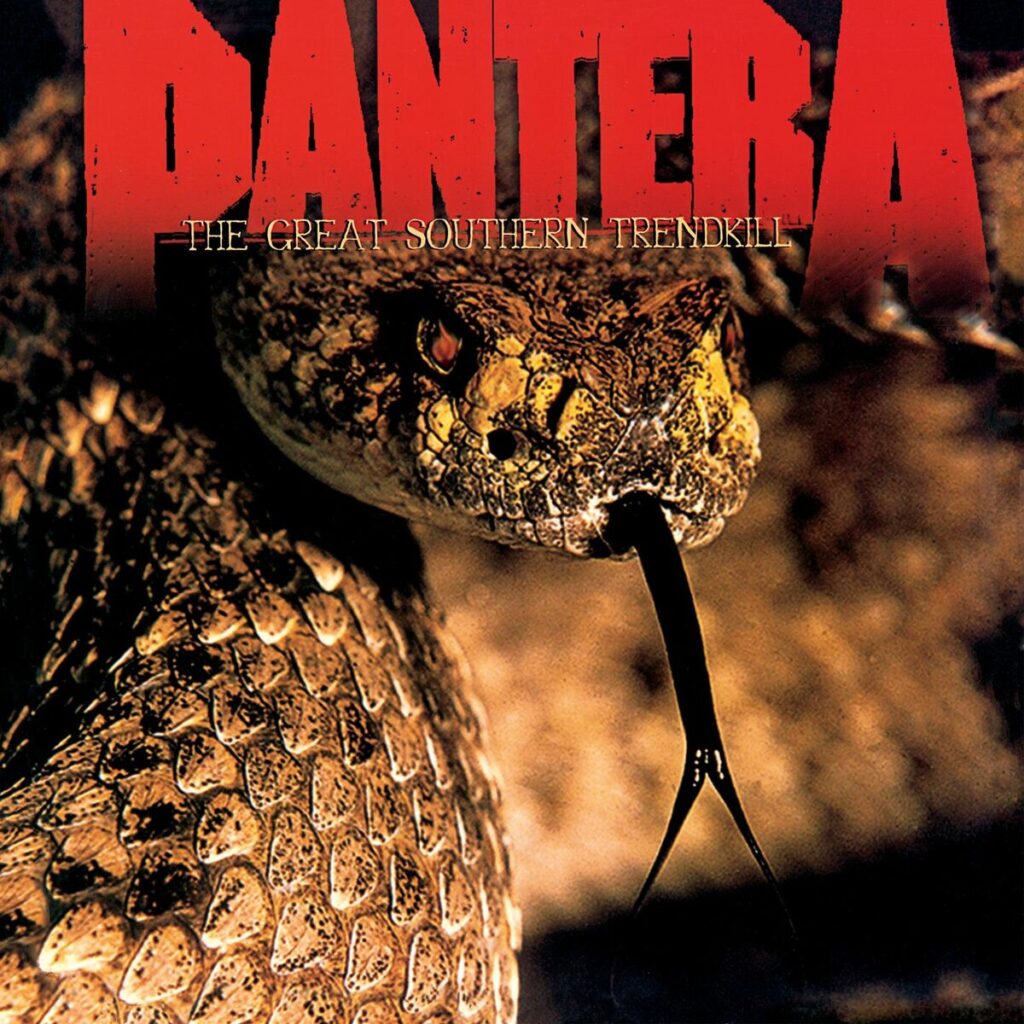
Pantera – The Great Southern Trendkill [Elektra, 1996]
1. The Great Southern Trendkill
2. War Nerve
3. Drag the Waters
4. 10’s
5. 13 Steps to Nowhere
6. Suicide Note Pt. 1
7. Suicide Note Pt. 2
8. Living Through Me (Hell’s Wrath)
9. Floods
10. The Underground in America
11. Sandblasted Skin (Reprise)
Shop ‘The Great Southern Trendkill’ Collection HERE