

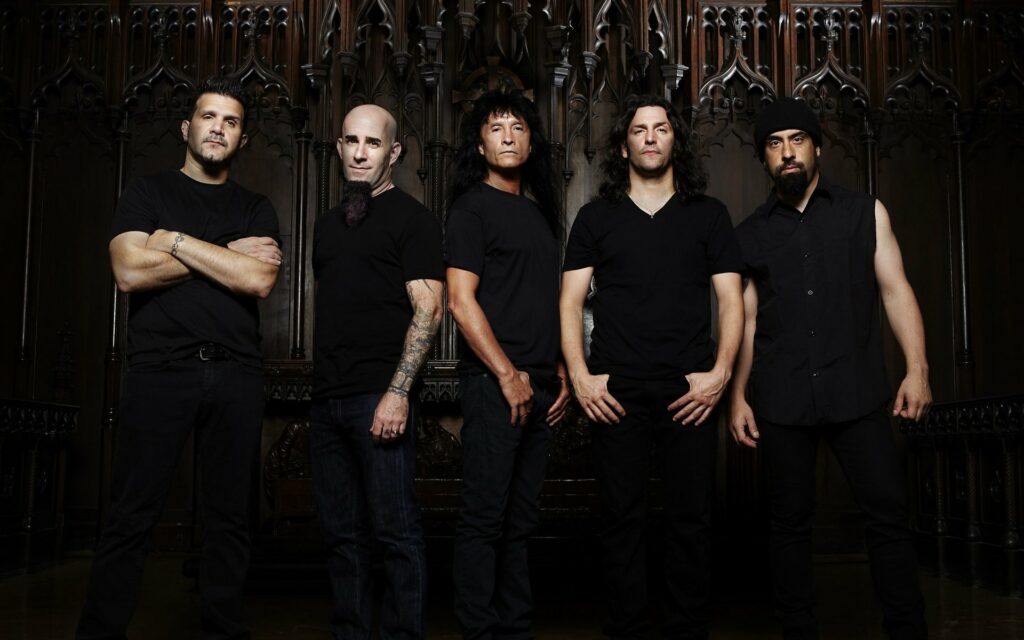
The band’s reunion with longtime singer Joey Belladonna reignited the thrash metal legends
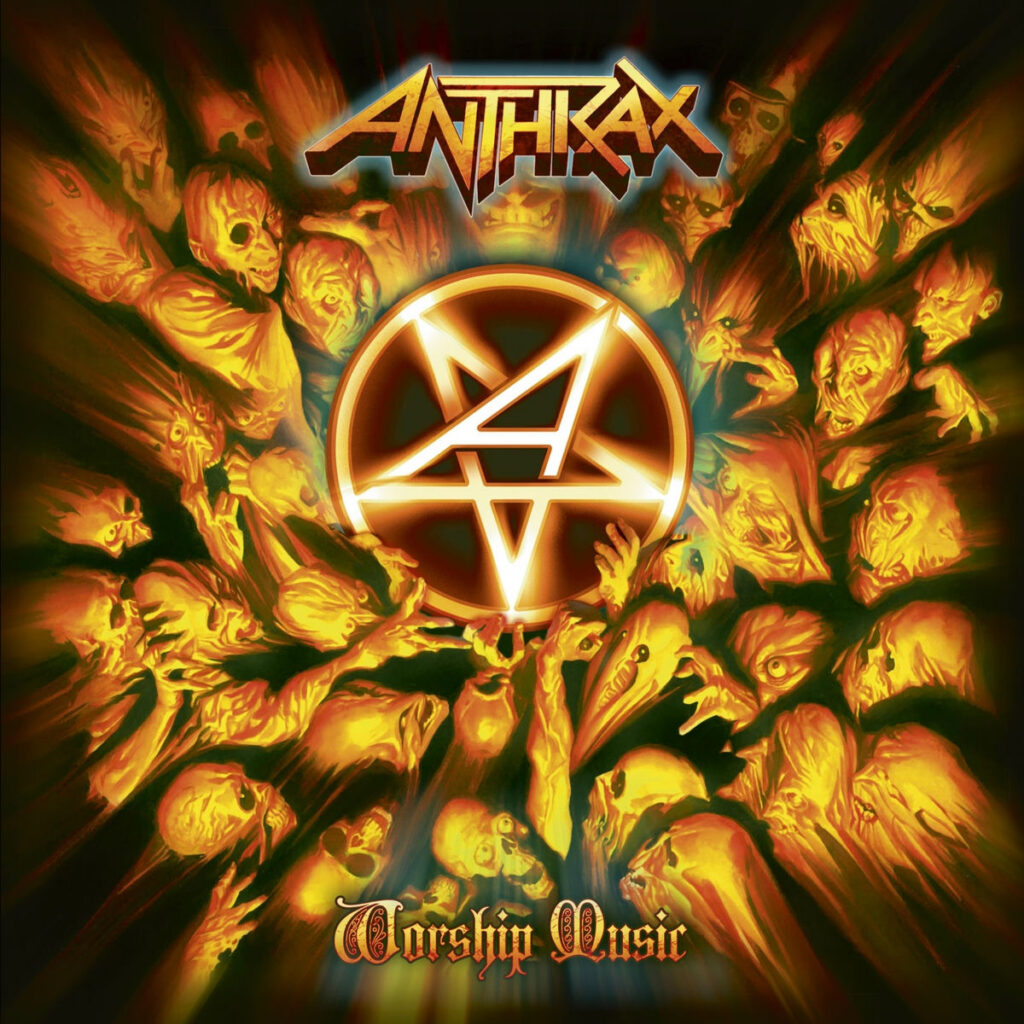
On this day 15 years ago, Anthrax came roaring back with Worship Music.
The band’s tenth studio album marked one of the most important comeback chapters in thrash metal history, particularly because it reunited the group with longtime vocalist Joey Belladonna. Belladonna had originally fronted Anthrax during its most commercially successful era, singing on classics including Spreading the Disease, Among the Living, State of Euphoria and Persistence of Time, before leaving in 1992. He briefly reunited with Anthrax for the band’s 2005–2007 reunion tour, but another permanent return initially seemed unlikely. Anthrax subsequently recruited vocalist Dan Nelson and began constructing what would become Worship Music.
By 2009, the record was reportedly about 85 percent complete and approaching the mixing stage when Nelson and the band abruptly parted ways, throwing the project into uncertainty. Former singer John Bush briefly returned for several performances, but ultimately declined to make a full-time commitment. With the historic “Big Four” concerts alongside Metallica, Slayer and Megadeth approaching in 2010, Anthrax turned once again to Belladonna, whose voice had defined the band during the original thrash explosion. This time the reunion stuck. Belladonna rejoined Anthrax, performed the Big Four dates and agreed to sing on Worship Music, making it his first Anthrax studio album since 1990’s Persistence of Time.
The path to the finished Worship Music was unusually long, with recording stretching from 2008 into 2011 at studios in New York, Los Angeles and Chicago. Much of the music had originally been developed with Nelson, who retained songwriting credits on several tracks, but Belladonna’s arrival resulted in considerably more than simply replacing the existing lead vocals. Working with guitarist and producer Rob Caggiano and mixer/additional producer Jay Ruston, Anthrax reshaped portions of the album around Belladonna’s distinctive melodic delivery. Lyrics were rewritten, arrangements were adjusted and some material was replaced altogether, while Ruston oversaw the re-recording of Belladonna’s vocals.
The result managed to combine the aggression of Anthrax’s classic thrash years with the heavier, more modern sound the group had developed during the John Bush era. Songs such as the furious “Earth on Hell,” the muscular “The Devil You Know” and the zombie-themed “Fight ’Em ’Til You Can’t” demonstrated that the band had lost little of its speed or rhythmic punch, while “I’m Alive” showcased Belladonna’s soaring melodic voice. One of the album’s emotional centerpieces, “In the End,” served as a tribute to late metal icons Ronnie James Dio and Pantera guitarist Dimebag Darrell. Critics largely greeted Worship Music as a genuine return to form rather than an exercise in nostalgia, with particular praise directed toward the chemistry between Belladonna and his bandmates and the record’s balance of classic Anthrax characteristics with contemporary production.
Commercially, Worship Music delivered Anthrax its strongest showing in nearly two decades.
The album sold approximately 28,000 copies in America during its first week and debuted at No. 12 on the Billboard 200. That represented an enormous improvement over 2003’s We’ve Come for You All, which had debuted at No. 122 with fewer than 10,000 first-week sales, and gave Anthrax its highest U.S. album-chart position since Sound of White Noise reached No. 7 in 1993. The comeback extended internationally as well, with Worship Music reaching No. 6 in Finland, No. 13 in Germany, No. 24 in Sweden, No. 33 in Canada and No. 35 in Australia, among other chart appearances. By September 2012, the record had reportedly sold approximately 100,000 copies in the United States, an impressive result for a veteran thrash band releasing an album during a radically changed music industry. “I’m Alive” later earned Anthrax a Grammy nomination for Best Hard Rock/Metal Performance, further validating the comeback.
More importantly, Worship Music restored stability and momentum to a band that had spent years struggling with lineup uncertainty. Belladonna’s return ultimately became permanent, and the enthusiastic fan and critical response demonstrated that Anthrax could reconnect with the sound and personnel of its classic era without simply repeating the past. Rather than functioning merely as a reunion album, Worship Music began a revitalized period for Anthrax and laid the foundation for the success of its 2016 follow-up, For All Kings.