

The turmoil of the recording process translated into a masterful metal record
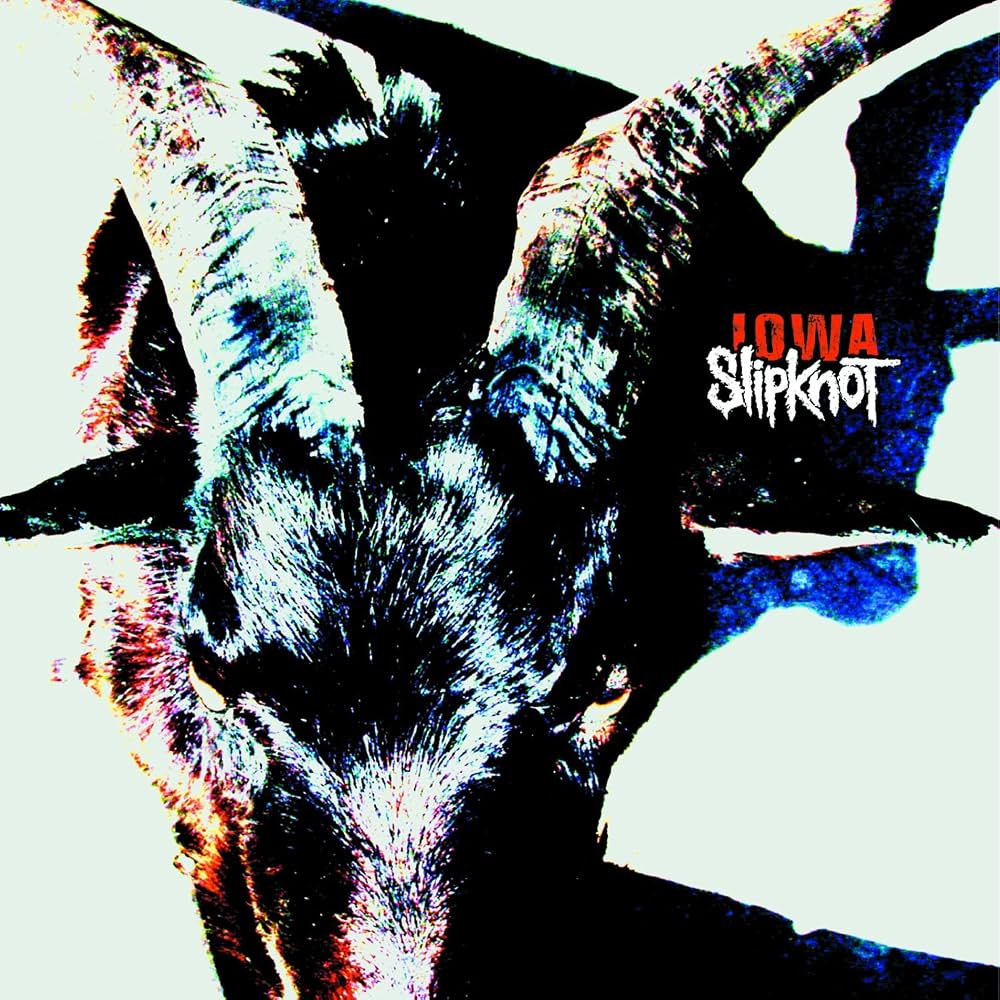
On this day 25 years ago, Slipknot released their brutal second album Iowa.
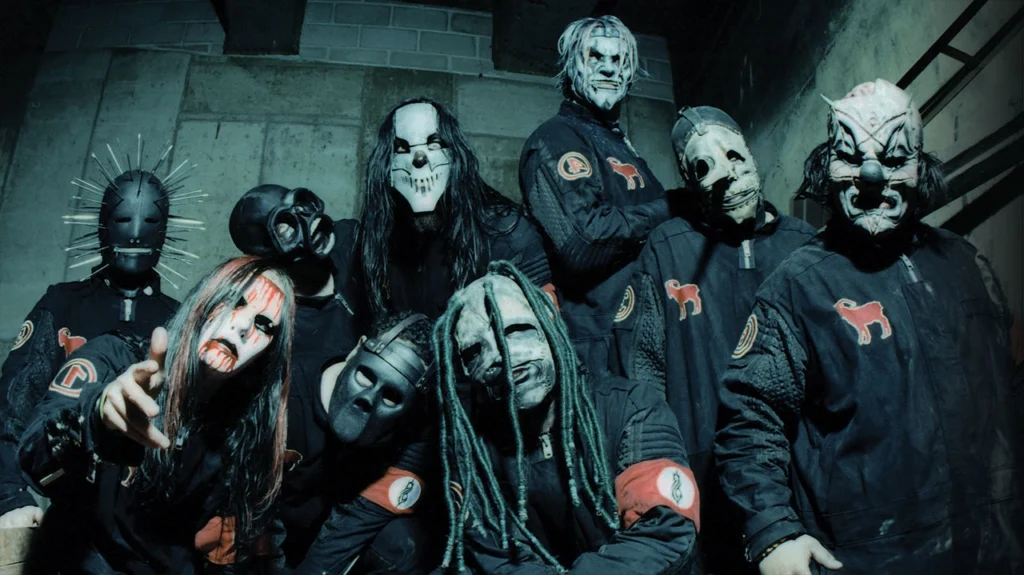
Slipknot entered the making of their second album, Iowa, carrying enormous expectations after their self-titled 1999 debut transformed the nine-member Des Moines group from an underground curiosity into one of the fastest-rising bands in heavy music. Rather than soften their sound for a wider audience, Slipknot deliberately went in the opposite direction, creating a record considerably darker, heavier and more hostile than its predecessor. Writing began almost immediately after touring behind the debut, with drummer Joey Jordison and bassist Paul Gray among the first members to develop new material. Recording commenced at Sound City in Los Angeles in January 2001, with sessions also taking place at Sound Image and Ross Robinson returning as producer.
The atmosphere was notoriously volatile. Exhaustion from relentless touring, substance abuse, growing fame and tensions among the nine musicians created an environment that vocalist Corey Taylor later described as exceptionally dark. Robinson pushed the musicians toward emotionally extreme performances, while Taylor spent weeks recording vocals with an intensity that bordered on self-destructive. That turmoil became part of the album’s character, particularly on punishing tracks such as “People = Shit,” “Disasterpiece,” “The Heretic Anthem” and the sprawling title track. Instead of attempting to reproduce the more accessible moments of Slipknot, the band emphasized downtuned guitars, Joey Jordison’s furious drumming, abrasive percussion and some of Taylor’s most vicious vocals, producing an album that sounded remarkably uncompromising for a group suddenly facing mainstream attention.
Released by Roadrunner Records on August 28, 2001, Iowa largely justified the enormous anticipation surrounding it. Fans who worried that Slipknot’s rapid rise might cause the band to become more commercial instead received arguably the most extreme record of their career, helping cement Iowa as a defining album for the group’s original era. Critical reaction was generally strong, although the sheer aggression and bleakness of the record inevitably divided some mainstream reviewers.
The album received particularly enthusiastic notices from portions of the British music press, and NME ultimately placed it at No. 6 on its list of the 50 best albums of 2001. “Left Behind” became the album’s most recognizable early single and earned Slipknot a Grammy nomination for Best Metal Performance, while “My Plague,” which received additional exposure through the 2002 film Resident Evil, earned another nomination the following year. More importantly, Iowa demonstrated that Slipknot did not have to dilute their music to maintain the huge audience they had developed. Its combination of death-metal-inspired extremity, groove-heavy riffs, industrial textures and nu-metal-era experimentation pushed the boundaries of how aggressive a commercially successful metal record could be, and it has subsequently become one of the most celebrated albums in Slipknot’s catalog.
Commercially, Iowa proved that Slipknot’s breakthrough was no fluke. The album sold roughly 254,000 to 255,000 copies in the United States during its first week and debuted at No. 3 on the Billboard 200, a remarkable showing for an album this abrasive. Its international performance was even more striking. Iowa debuted at No. 1 on the UK Albums Chart with approximately 52,000 first-week sales, finishing ahead of major new releases including The Strokes’ Is This It, and also reached No. 1 in Canada, No. 2 in Australia, No. 3 in Finland, No. 4 in Germany and Japan, and the Top 10 in several other countries. In the United States, the RIAA certified Iowa platinum only weeks after its release, and the album ultimately surpassed one million U.S. sales while earning platinum and gold certifications around the world.
Coming at a time when heavy music had an unusually powerful presence in popular culture, Iowa stands out because Slipknot achieved those numbers without making an obvious bid for radio accessibility. Instead, they followed a multiplatinum debut with something harsher and more disturbing, yet became an even bigger international attraction. More than two decades later, Iowa remains a benchmark for modern extreme metal and a defining moment in Slipknot’s career—the album that proved one of the heaviest bands of its generation could reach the upper reaches of the mainstream without sacrificing the aggression that made them successful in the first place.