

The album put the newcomers at the forefront of the glam metal scene
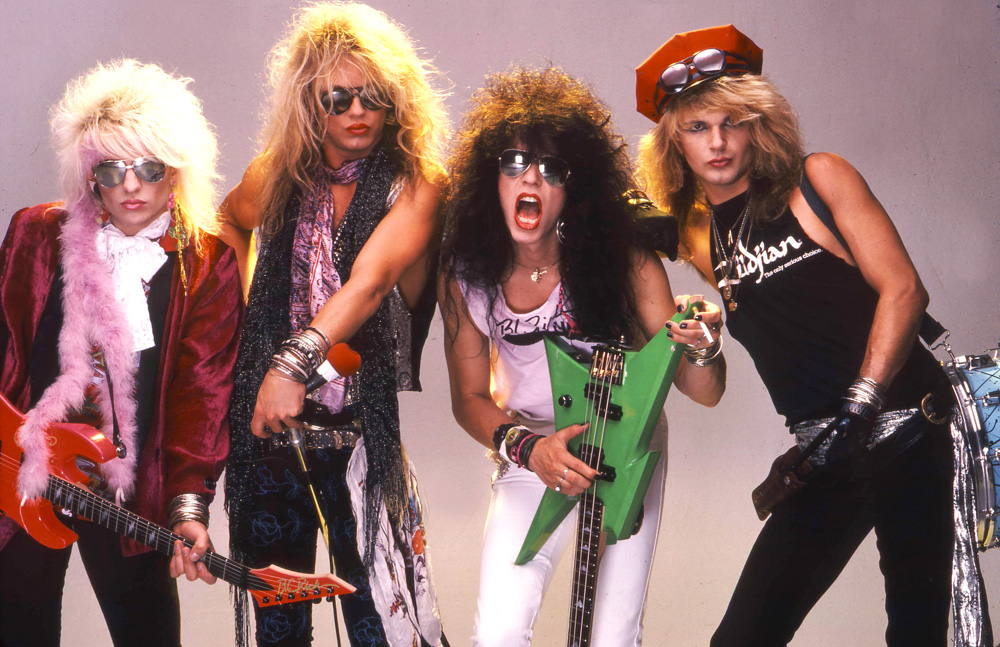
On this day 40 years ago, Poison exploded onto the scene with their debut album Look What the Cat Dragged In. The record quickly became one of the defining records of the Sunset Strip hard rock boom of the late 1980s. Arriving during a period when Los Angeles clubs were overflowing with flashy, melodic hard rock bands, the album captured the reckless party spirit of the era with loud guitars, catchy hooks, and a larger-than-life visual image. Although the record initially struggled to gain traction, it slowly built momentum through relentless touring, MTV exposure, and word-of-mouth support, eventually transforming Poison from club-level hopefuls into arena rock stars. By the end of its run, the album had become one of the most successful glam metal debuts of the decade and a cornerstone of 1980s hard rock culture.
Before recording the album, the members of Poison — singer Bret Michaels, guitarist C.C. DeVille, bassist Bobby Dall, and drummer Rikki Rockett — had relocated from Pennsylvania to Los Angeles in search of a record deal. The band developed a reputation on the Sunset Strip thanks to their highly visual glam image, aggressive self-promotion, and crowd-pleasing live shows. Despite generating substantial buzz, major labels initially passed on the group, forcing Poison to finance much of their own recording sessions. Eventually, they signed with the independent label Enigma Records, which gave them a modest budget that was tiny compared to the major-label contracts many rival bands were receiving at the time.
The recording process for Look What the Cat Dragged In was famously quick and inexpensive. Produced by Ric Browde, the album was recorded at Music Grinder Studios in Hollywood in roughly twelve days for around $23,000, with some of the money reportedly coming directly from the band members and their families. Bret Michaels later described the album as essentially a “glorified demo,” but that rawness became part of its appeal. Rather than chasing technical perfection, the band focused on creating energetic, hook-driven songs that reflected their live performances. The production emphasized singalong choruses, bluesy guitar riffs, and a carefree party atmosphere that resonated strongly with rock audiences during the MTV era.
Musically, the album combined the sleazy hard rock swagger of bands like Mötley Crüe and Van Halen with highly melodic choruses influenced by classic arena rock and pop metal. Tracks such as “Talk Dirty to Me,” “I Want Action,” and “Cry Tough” showcased Poison’s knack for memorable hooks and radio-friendly songwriting, while the power ballad “I Won’t Forget You” revealed a softer, emotional side that would later become one of the band’s trademarks. Lyrically, the record centered on partying, romance, ambition, and youthful rebellion — themes that perfectly matched the excess and glamour associated with the 1980s hair metal scene.
The album’s cover artwork became almost as famous as the music itself. Featuring close-up images of the band members wearing heavy makeup, teased hair, and flashy glam attire, the cover immediately sparked attention and controversy. Some listeners reportedly mistook the members for women, while critics mocked the band’s exaggerated appearance. Yet the image perfectly embodied the flamboyant visual identity of the glam metal movement and helped Poison stand out in an increasingly crowded scene. Over time, the album cover became one of the most recognizable visual symbols of 1980s hard rock culture.
Commercially, the album’s success was gradual rather than immediate. The first single, “Cry Tough,” failed to make a major impact in the United States, though it earned some modest attention in the United Kingdom. However, everything changed when MTV began heavily rotating the video for “Talk Dirty to Me.” The song became a breakout hit and helped propel the album into the mainstream. Follow-up singles “I Want Action” and “I Won’t Forget You” also performed strongly, with the latter becoming one of Poison’s first major power ballad successes. As the singles gained popularity, album sales surged steadily throughout 1986 and 1987.
The album eventually climbed to No. 3 on the Billboard 200 in 1987, an extraordinary achievement for a debut album released by a relatively small label. It went Gold in 1987 and was later certified triple platinum by the Recording Industry Association of America in 1990. Worldwide sales ultimately surpassed four million copies, making it the biggest-selling release in Enigma Records history and establishing Poison as one of the premier commercial hard rock acts of the late 1980s.
Critical reaction to the album was sharply divided. Many mainstream rock fans embraced its unapologetically fun, accessible sound, but numerous critics dismissed Poison as style-over-substance. Heavy metal purists often criticized the band’s flashy image and simplistic songwriting, particularly as more aggressive metal albums like Master of Puppets and Peace Sells… but Who’s Buying? were redefining the heavier side of the genre during the same period. Nevertheless, supporters argued that Poison never pretended to be anything other than a good-time rock band. Their straightforward approach, infectious choruses, and high-energy performances helped them connect with millions of fans who simply wanted escapist entertainment. Over time, many retrospective reviews have acknowledged the album as one of the essential glam metal releases of the 1980s.
The success of Look What the Cat Dragged In also laid the foundation for Poison’s even bigger breakthrough with 1988’s Open Up and Say… Ahh!, which turned the band into international superstars. But many longtime fans continue to regard the debut as Poison’s rawest and most authentic release because of its gritty club-rock atmosphere and hungry ambition. Unlike the polished arena-rock sound of their later records, Look What the Cat Dragged In captured the band before fame fully transformed them.
Today, the album is widely viewed as one of the definitive records of the glam metal era. Publications including Rolling Stone, Louder Sound, Loudwire, and PopMatters have ranked it among the greatest hair metal albums ever released. Its influence can still be heard in countless melodic hard rock and glam revival bands, while songs like “Talk Dirty to Me” remain staples of classic rock radio and 1980s nostalgia playlists. More than four decades after its release, Look What the Cat Dragged In stands as a vivid snapshot of a time when flashy visuals, massive hooks, and carefree rock excess dominated popular music — and Poison helped define that era better than almost anyone.