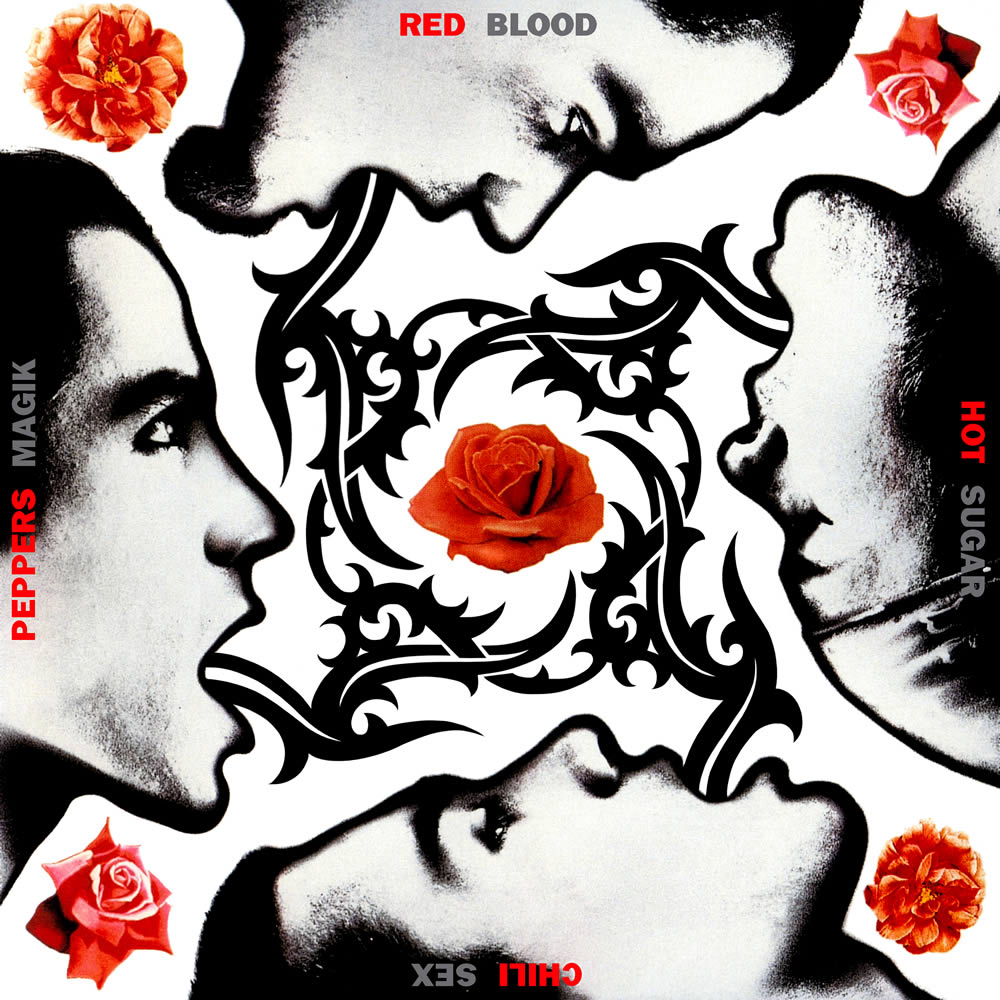


The record transformed Los Angeles funk-rock eccentrics into one of the biggest alternative rock bands on the planet
On this day 35 years ago, Red Hot Chili Peppers broke out with ‘Blood Sugar Sex Magik.’
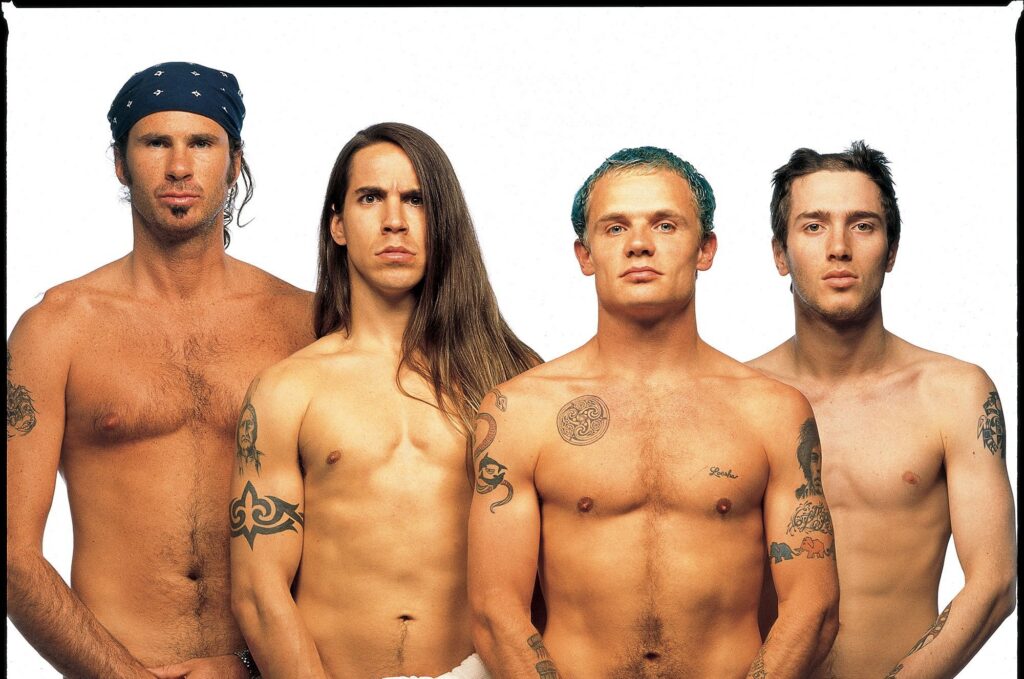
It was the album that transformed the Los Angeles funk-rock eccentrics into one of the biggest alternative rock bands in the world. After 1989’s Mother’s Milk, Anthony Kiedis, Flea, John Frusciante and Chad Smith entered a new phase after signing with Warner Bros. Records and teaming with producer Rick Rubin. Rather than work in a conventional studio, Rubin brought the band to a large house in Laurel Canyon known as the Mansion, where Kiedis, Flea and Frusciante lived while recording and Smith commuted to the sessions.
The unusual environment encouraged the musicians to play together freely, and the writing became notably collaborative, with Frusciante and Flea developing an increasingly intuitive musical relationship while Kiedis supplied lyrics covering sex, relationships, addiction, loneliness and life in Los Angeles. Rubin also helped strip away some of the heavier production that had characterized Mother’s Milk, emphasizing Flea’s bass, Smith’s powerful grooves and Frusciante’s economical, Hendrix-influenced guitar work. That approach gave songs including “Give It Away,” “Suck My Kiss,” “Breaking the Girl” and the title track a raw funk-rock punch, while “Under the Bridge” revealed an unexpectedly vulnerable side of the group.
The result was both the Red Hot Chili Peppers’ critical breakthrough and a massive commercial success. Blood Sugar Sex Magik arrived on the same day as Nirvana’s Nevermind, placing the Chili Peppers at the center of the alternative-rock explosion that reshaped mainstream music during the early 1990s. Critics praised the record for broadening the group’s sound without abandoning its combination of funk, punk and hard rock, and fans responded even more enthusiastically. “Give It Away” became the band’s first No. 1 single on Billboard’s Modern Rock chart, while the more melodic “Under the Bridge” became an even larger crossover hit, climbing to No. 2 on the Billboard Hot 100 and introducing the group to an enormous new audience. The album itself eventually reached No. 3 on the Billboard 200, compared with the No. 52 peak of Mother’s Milk. It was certified gold in the United States only two months after release, platinum by April 1992 and ultimately seven-times platinum.
Estimates of its worldwide sales vary by source, but it has comfortably sold more than 10 million copies globally, establishing the Chili Peppers as international stars. The sudden explosion in popularity also had consequences: Frusciante, uncomfortable with the scale of the band’s newfound fame, left during the subsequent tour in 1992.
Thirty-five years later, Blood Sugar Sex Magik remains one of the defining rock albums of the 1990s and arguably the record that established the musical blueprint the Red Hot Chili Peppers would continue developing for decades. Its importance goes beyond the enormous success of “Under the Bridge” and “Give It Away.” The album demonstrated that the group’s hyperactive funk-punk attack could coexist with melody, introspection and emotional vulnerability, opening the door to later landmark releases such as Californication, By the Way and Stadium Arcadium.
Its fusion of funk bass, hip-hop-influenced vocals, punk energy and hard-rock guitar also became an influential reference point for numerous alternative, funk-metal and later nu-metal acts. Retrospective assessments have continued to regard the album as the moment when the Chili Peppers’ disparate influences crystallized into a distinctive sound, even as some critics have noted the excesses and sexual preoccupations that firmly mark it as a product of its era.
Released during one of rock music’s most transformative years, Blood Sugar Sex Magik has endured because underneath its wild exterior was a remarkably versatile band discovering exactly what it could become. Thirty-five years after its release, it stands not simply as the Red Hot Chili Peppers’ breakthrough, but as the album that permanently changed the course of their career and helped define the sound of alternative rock in the 1990s.