

The album has remained a pop culture keystone for more than three decades
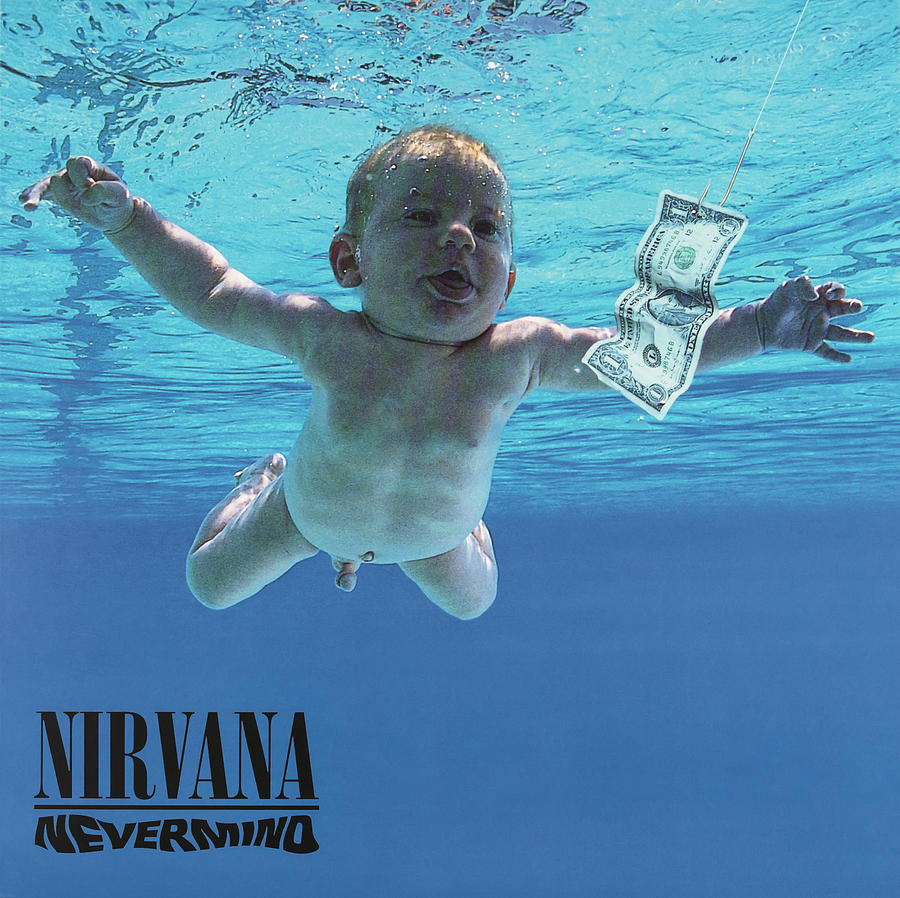
On this day 35 years ago, Nirvana released their masterpiece Nevermind. The band was at the forefront of the grunge movement that was opening a new decade after metal had ruled the world for the last 15 years. Today, the record remains a pop culture keystone.
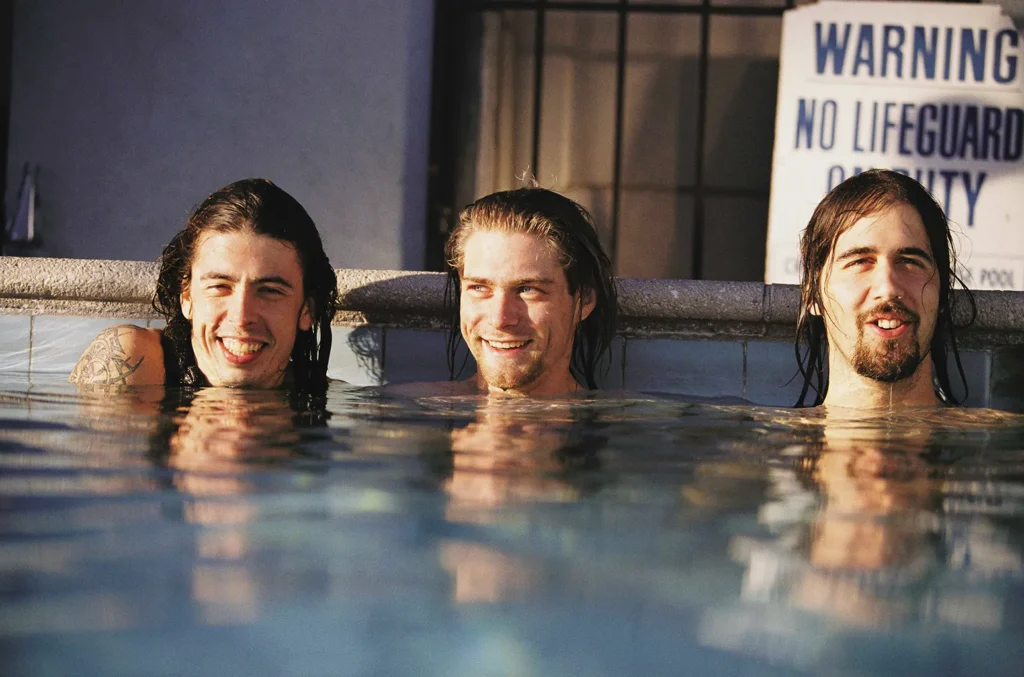
Released on September 24, 1991, Nirvana’s Nevermind became one of the defining albums of its generation, transforming Kurt Cobain, Krist Novoselic and Dave Grohl from members of an underground Seattle rock band into international stars. Much of the material had been developed as Nirvana moved beyond the raw sound of its 1989 debut, Bleach, with Cobain increasingly combining punk-rock aggression with strong pop melodies and the quiet-to-loud dynamics he admired in bands such as the Pixies. Nirvana chose Butch Vig to produce after working with him during earlier sessions at Smart Studios in Wisconsin, and the bulk of Nevermind was recorded at Sound City Studios in Van Nuys, California, during May 1991.
The band was remarkably well rehearsed, allowing Vig to capture basic tracks largely live before adding overdubs, including Cobain’s doubled guitars and vocals and Grohl’s backing harmonies. “Polly” was the lone recording carried over from the earlier Smart Studios sessions, while the haunting “Something in the Way” was constructed around an exceptionally quiet performance by Cobain. Vig helped sharpen the enormous impact of Grohl’s drums and encouraged Cobain to double his vocals, while mixer Andy Wallace gave the finished record additional clarity and power. Cobain later expressed discomfort with how polished the album sounded, but that combination of punk energy, massive guitars and radio-ready production proved crucial to its extraordinary reach.
The response to Nevermind exceeded virtually every expectation. DGC Records reportedly hoped the album might sell around 250,000 copies, roughly comparable to Sonic Youth’s Goo, but the explosion of “Smells Like Teen Spirit” turned Nirvana into a cultural phenomenon within months. The album initially entered the Billboard 200 at No. 144 before steadily climbing as MTV placed the “Smells Like Teen Spirit” video into heavy rotation and alternative-rock listeners embraced songs including “Come as You Are,” “Lithium” and “In Bloom.” On January 11, 1992, Nevermind reached No. 1 on the Billboard 200, famously replacing Michael Jackson’s Dangerous, while “Smells Like Teen Spirit” climbed to No. 6 on the Billboard Hot 100.
Critics widely praised Cobain’s ability to combine abrasive punk and heavy-rock textures with memorable hooks, although the record’s accessibility occasionally generated suspicion among underground fans who viewed Nirvana’s sudden mainstream popularity uneasily. That tension only increased as the group became one of the biggest bands in the world. Commercially, however, there was no question about the scale of the breakthrough: Nevermind eventually received Diamond certification in the United States for more than 10 million units and has been credited with worldwide sales exceeding 30 million copies, making it one of the best-selling rock albums ever released.
Thirty-five years later, Nevermind remains significant not simply because of how many copies it sold, but because of the dramatic shift in popular music that followed its success. Nirvana did not invent grunge or alternative rock—the Seattle underground had been developing for years—but the album brought that world into mainstream popular culture on an unprecedented scale. Its success helped make distorted guitars, punk-derived aesthetics and previously underground bands commercially viable for major labels, while Cobain’s songwriting demonstrated that abrasive music could coexist with remarkably direct pop melodies.
The album’s influence spread far beyond Seattle, affecting rock music, fashion, MTV programming and the record industry’s priorities throughout the 1990s. Its historical standing has only solidified: Nevermind was inducted into the Grammy Hall of Fame in 2018, while “Smells Like Teen Spirit” had received the same honor a year earlier. Yet the album’s lasting appeal ultimately rests on the songs themselves—the explosive opening of “Smells Like Teen Spirit,” the hypnotic riff of “Come as You Are,” the tension and release of “Lithium,” the melodic force of “In Bloom” and the stark intimacy of “Something in the Way.” At 35, Nevermind still sounds like the moment when an underground band unexpectedly became the center of popular music, creating an album whose enormous success permanently altered the trajectory of rock.