

The shock rock icon’s second album made him a household name
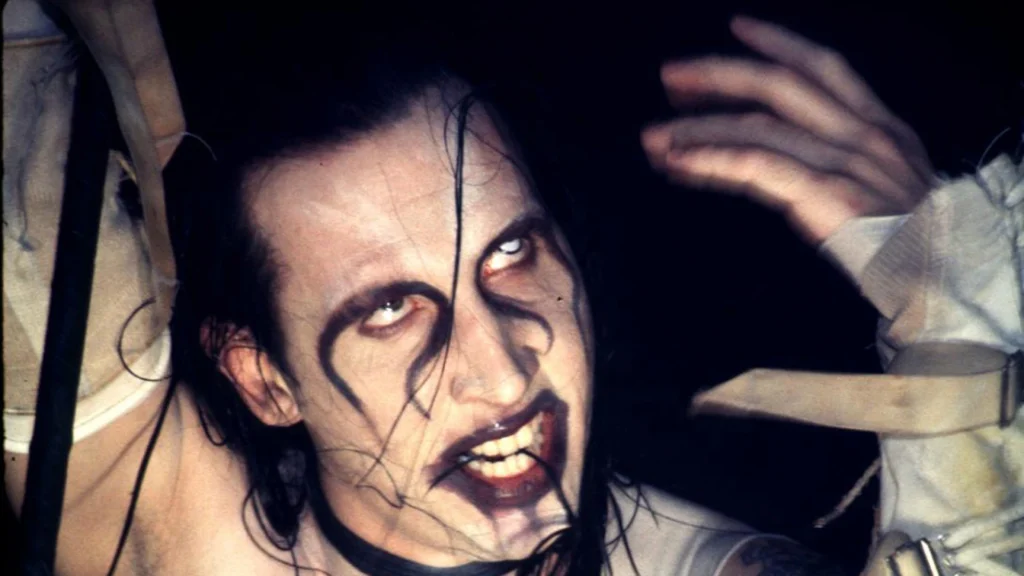
On this day 30 years ago, Marilyn Manson released his defining second album Antichrist Superstar.
Released on October 8, 1996, Manson’s sophomore effort became one of the most controversial, influential, and commercially successful records of the decade, transforming the band from underground provocateurs into international rock stars. Produced by Trent Reznor, Dave Ogilvie, Sean Beavan, and Marilyn Manson, the album was recorded primarily at Nothing Studios in New Orleans during a notoriously chaotic period marked by drug use, internal conflicts, and intense creative experimentation. The recording sessions were particularly tumultuous, with guitarist Daisy Berkowitz departing during production following creative disagreements, while Twiggy Ramirez assumed a more prominent songwriting role. Musically, the album represented a dramatic evolution from 1994’s Portrait of an American Family, combining industrial metal, gothic rock, distorted electronics, and theatrical shock rock into a sprawling concept album.
Its narrative followed the transformation of a powerless, abused figure into a revolutionary celebrity who ultimately becomes the very monster he once despised. Divided into three cycles—The Heirophant, Inauguration of the Worm, and Disintegrator Rising—the record explored themes of religion, fascism, celebrity worship, nihilism, and the corrupting influence of power. Standout tracks included the explosive lead single “The Beautiful People,” which became the band’s signature anthem, the menacing “Tourniquet,” the atmospheric “Cryptorchid,” the abrasive “Irresponsible Hate Anthem,” and the haunting “Man That You Fear.” The title track, “Antichrist Superstar,” further established the album’s apocalyptic atmosphere, complete with militaristic rhythms, confrontational lyrics, and Manson’s increasingly theatrical vocal delivery.
Upon its release, Antichrist Superstar generated an extraordinary combination of critical acclaim, commercial success, and public outrage. Many critics praised its ambitious concept, punishing production, and willingness to challenge societal conventions, while others dismissed its provocative imagery and anti-religious themes as calculated shock tactics. Fans embraced the album enthusiastically, particularly disaffected younger listeners who connected with its themes of alienation, rebellion, and hostility toward authority. Commercially, the record was an immediate breakthrough, debuting at No. 3 on the Billboard 200 with approximately 132,000 copies sold during its first week. It was certified platinum by the Recording Industry Association of America in December 1996, just two months after its release, and had sold more than 1.2 million copies in the United States within its first year.
The album also reached No. 2 in Canada and No. 5 in New Zealand, eventually earning multiple international certifications. Its worldwide sales have been widely reported at more than seven million copies, including approximately 1.9 million in the United States, although a newer verified global sales total has not been publicly established. The album’s success was fueled by extensive MTV exposure, particularly the disturbing music video for “The Beautiful People,” and the band’s notorious Dead to the World Tour, which ran from 1996 into 1997. The tour attracted protests from religious organizations and conservative groups, generating headlines that only intensified the band’s popularity and established Marilyn Manson as one of the most polarizing figures in popular music.
Thirty years after its release, Antichrist Superstar remains a defining statement of 1990s alternative culture and one of the most significant industrial rock albums ever recorded. Arriving at a time when alternative rock was becoming increasingly mainstream, the record pushed the genre toward darker, more theatrical territory, combining the abrasive industrial experimentation of Nine Inch Nails with the larger-than-life spectacle of Alice Cooper and the confrontational spirit of punk rock. Its influence can be heard in subsequent generations of industrial metal, gothic rock, and alternative artists who embraced similarly aggressive production, provocative imagery, and elaborate conceptual storytelling. The album also laid the groundwork for Marilyn Manson’s subsequent releases, including 1998’s Mechanical Animals and 2000’s Holy Wood (In the Shadow of the Valley of Death), which would eventually form a conceptual trilogy alongside Antichrist Superstar. Over the years, the record has appeared on numerous retrospective lists celebrating the greatest and most influential rock and metal albums of the 1990s.
Although Manson’s career and public reputation have since been overshadowed by serious personal controversies and allegations, the album’s place in rock history remains substantial. Three decades later, Antichrist Superstar stands as a powerful reminder of an era when rock music could still provoke national outrage, challenge cultural institutions, and dominate mainstream conversation. Whether celebrated as an uncompromising artistic achievement or criticized for its deliberately inflammatory presentation, the album’s impact is undeniable, and its most recognizable songs continue to resonate as enduring examples of industrial rock at its commercial and cultural peak.
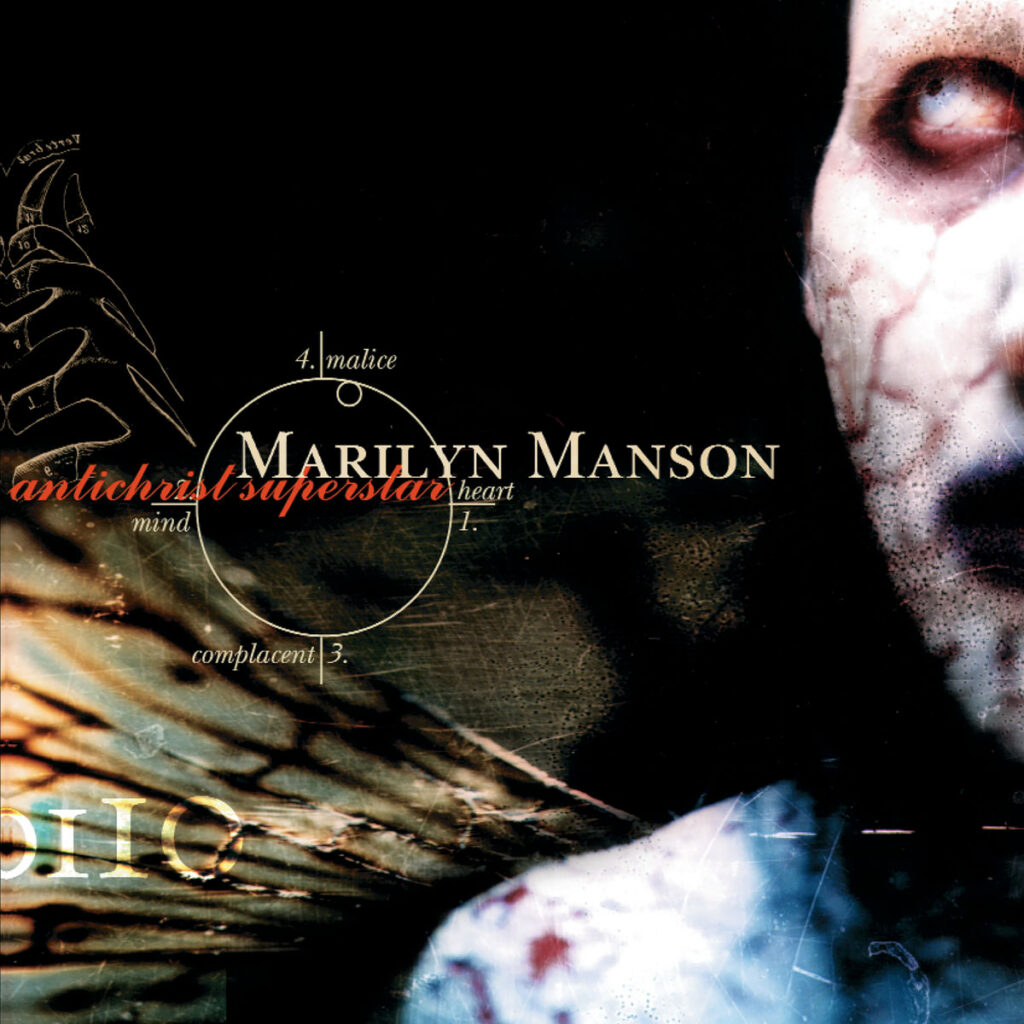
Marilyn Manson – Antichrist Superstar [Nothing/Interscope, 1996]
1. Irresponsible Hate Anthem
2. The Beautiful People
3. Dried Up, Tied and Dead to the World
4. Tourniquet
5. Little Horn
6. Cryptorchid
7. Deformography
8. Wormboy
9. Mister Superstar
10. Angel with the Scabbed Wings
11. Kinderfeld
12. Antichrist Superstar
13. 1996
14. Minute of Decay
15. The Reflecting God
16. Man That You Fear