

Legendary frontman Dee Snider shocked the world with his sudden retirement last month
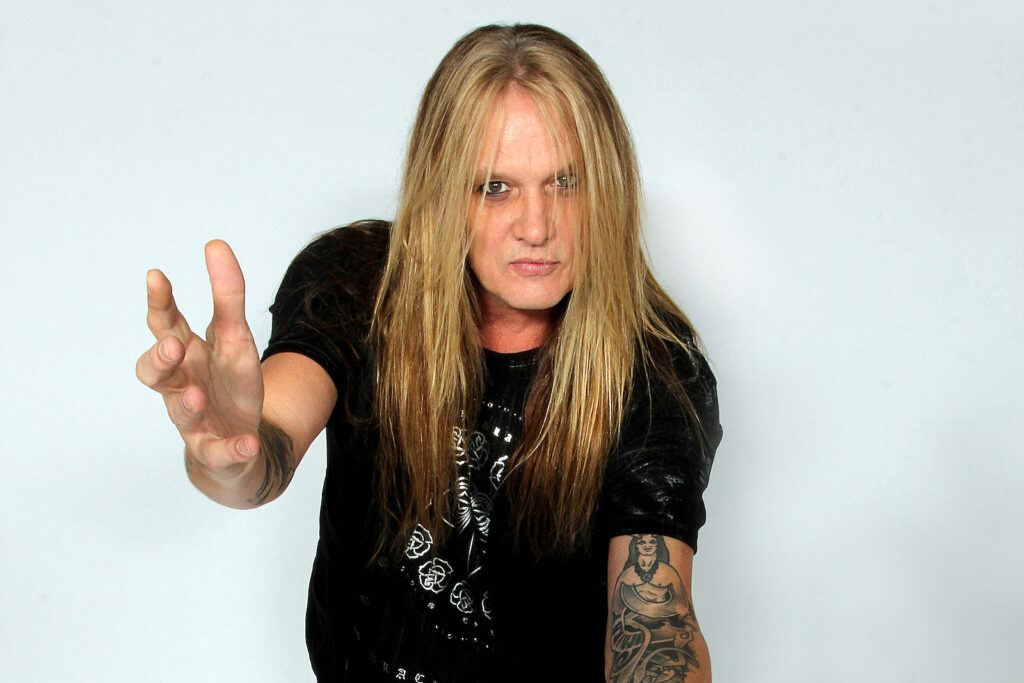
After frontman Dee Snider’s shocking retirement from touring, Twisted Sister have enlisted legendary hard rock singer Sebastian Bach for their upcoming 50th anniversary tour dates and festival appearances.
In a statement, the band said: “Twisted Sister members Jay Jay French and Eddie Ojeda are thrilled to announce that iconic vocalist and front man, Sebastian Bach, will be fronting the band for a handful of select dates this fall. These appearances do not affect or conflict with Sebastian’s current and future solo touring schedule, which remains fully intact.”
All of the band’s previously scheduled (and subsequently canceled) shows will now go on as planned.
In addition to Bach, Twisted Sister will also be welcoming drummer Joey Cassata (Z02/Trans Siberian Orchestra) to the band for the upcoming tour.
“Super excited (and beyond honored) to be drumming for this legendary band,” Cassata said on social media. “I’ve been an SMF [Sick Mutha Fucker) since I was 8 years old…and now this?! Absolutely surreal. You can’t stop rock and roll! Let’s go!”
On February 6, legendary frontman Dee Snider has abruptly retired from Twisted Sister while several upcoming reunion shows beginning in April were already scheduled to celebrate their 50th anniversary.
“Due to the sudden and unexpected resignation of Twisted Sister’s lead singer Dee Snider brought on by a series of health challenges, the band has been forced to cancel all shows scheduled, beginning April 25 in Sao Paulo Brazil and continuing through the summer. The future of Twisted Sister will be determined in the next several weeks. Stay tuned for updates.”
Dee Snider’s camp also released a statement.
“A lifetime of legendarily aggressive performing has taken its toll on Dee Snider’s body and soul. Unbeknownst to the public (until now) Snider (70) suffers from degenerative arthritis and has had several surgeries over the years just to keep going, able to only perform a few songs at a time in pain. Adding insult to injury, Dee has recently found out the level of intensity he has dedicated to his life’s work has taken its toll on his heart as well. He can no longer push the boundaries of rock ‘n’ roll fury like he has done for decades. In the immortal words of Dirty Harry, ‘A man’s got to know his limitations.’ Sadly, Dee Snider now knows his.”
Dee himself said, “I don’t know of any other way to rock. The idea of slowing down is unacceptable to me. I’d rather walk away than be a shadow of my former self.”
Twisted Sister are one of the most recognizable and culturally influential heavy metal bands to emerge from the United States in the late 1970s and 1980s, known for their anthemic songs, confrontational attitude, and flamboyant image that fused glam theatrics with hard-nosed heavy metal grit. The band was formed in 1972 in Ho-Ho-Kus, New Jersey, by guitarist Jay Jay French, but it was after relocating to the New York City area that Twisted Sister truly found its identity. For much of the 1970s, the band built its reputation through relentless live performances in clubs on Long Island, especially venues like My Father’s Place, where they cultivated a fiercely loyal local following. This grinding, grassroots approach—often playing multiple nights a week—helped Twisted Sister hone a tight, aggressive sound and a defiant “us versus them” mentality that would later define their mainstream success.

A major turning point came in 1976 when vocalist Dee Snider joined the group. Snider quickly became the band’s primary songwriter and its most visible personality, reshaping Twisted Sister’s music and image. His sharp lyrical wit, melodic sense, and unapologetic bravado gave the band a distinctive voice that set them apart from many of their contemporaries. By the late 1970s and early 1980s, the classic lineup had solidified with guitarists Jay Jay French and Eddie “Fingers” Ojeda, bassist Mark “The Animal” Mendoza, and drummer A.J. Pero. Together, they developed a sound that blended traditional heavy metal riffing with punk-influenced energy and arena-ready choruses, all wrapped in an exaggerated, makeup-heavy look that challenged gender norms and provoked strong reactions from audiences and critics alike.
Twisted Sister released their debut album, Under the Blade, in 1982 on the independent British label Secret Records. While the album did not initially make a major commercial impact in the United States, it was well received in the UK and among underground metal fans, helping the band gain international exposure. Their breakthrough came after signing with Atlantic Records and releasing You Can’t Stop Rock ’n’ Roll in 1983, which further refined their sound and showcased Snider’s gift for hook-driven songwriting. However, it was 1984’s Stay Hungry that catapulted Twisted Sister into global stardom. Fueled by massive MTV airplay, the album spawned enduring hits like “We’re Not Gonna Take It” and “I Wanna Rock,” both of which became generational anthems of rebellion. Stay Hungry sold millions of copies worldwide and firmly established Twisted Sister as one of the defining metal acts of the decade.
At the height of their fame, Twisted Sister were not just a successful band but a cultural flashpoint. Their over-the-top videos, cartoonish aggression, and outspoken attitudes made them both beloved and controversial. This notoriety reached a peak in 1985 when Dee Snider testified before the U.S. Senate during hearings led by the Parents Music Resource Center (PMRC), defending rock music and artists’ freedom of expression. Snider’s articulate and forceful testimony earned widespread respect, even from critics, and cemented Twisted Sister’s legacy as outspoken defenders of artistic freedom. Despite this visibility, the band struggled to sustain their momentum in the latter half of the 1980s. Albums like Come Out and Play (1985) and Love Is for Suckers (1987) failed to match the commercial success of Stay Hungry, as musical trends shifted and internal tensions grew.
Twisted Sister disbanded in 1988, but their influence only continued to grow in the years that followed. Their songs became staples of rock radio, sports arenas, films, and commercials, introducing new generations to their music and message. The band reunited intermittently beginning in the late 1990s, eventually embarking on extensive reunion tours in the 2000s that reaffirmed their enduring popularity. Following the death of drummer A.J. Pero in 2015, Twisted Sister announced that they would no longer perform live under the band name, marking the end of an era. Today, Twisted Sister are widely regarded as pioneers of American heavy metal and MTV-era rock—artists who proved that perseverance, theatricality, and a refusal to conform could take a band from grimy local clubs to worldwide fame, leaving behind a legacy of defiance, unity, and loud, unapologetic rock ’n’ roll.